

Step 3 of 5 · Shorten the parts wait
Critical Spares
The repair takes 45 minutes. The part takes six weeks. Which one decides your downtime?
Which part would keep us down for weeks?
A stocked, compatible failed part can avoid purchase-approval and delivery delays. Diagnosis and safe installation still take time.
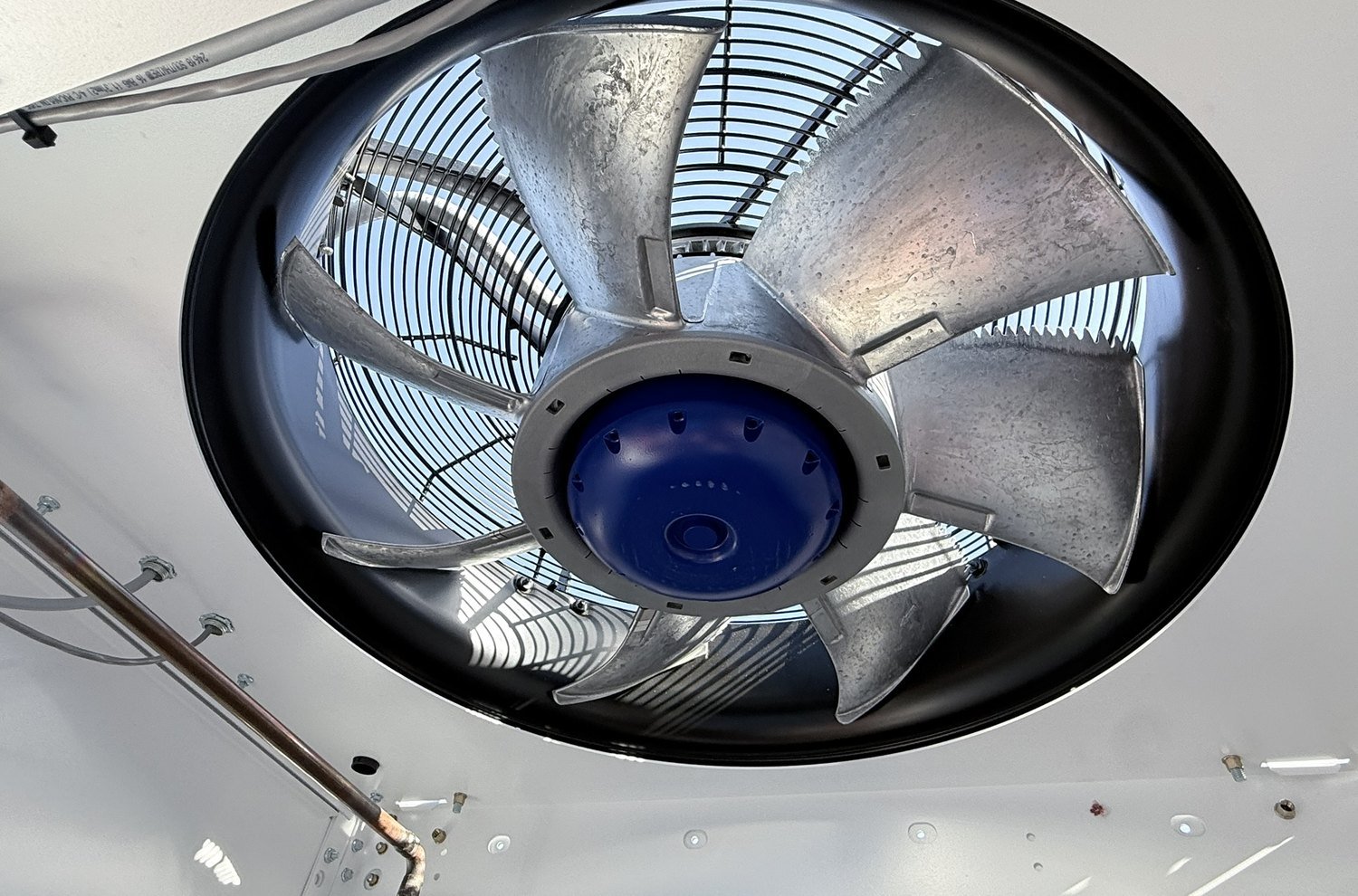
The problem
Most long outages are really parts problems dressed up as machine problems.
The diagnosis took an hour. The approval took a day. Then everyone stood around for weeks, waiting on a part. That part could have been sitting on your shelf, checked and labeled, for a fraction of what the outage cost.
We will talk you out of buying parts you do not need.
That sentence is the whole strategy. A parts vendor wants to sell you a long list. We want to sell you uptime per dollar. The difference shows up in what we leave off the list. Every recommendation comes with the reasoning: the risk it cuts, and why the items we dropped did not make it.
The comparison
A reported outage, with an illustrative spares alternative
| Comparison | Reported event: no spares onsite | Illustrative onsite-spares alternative |
|---|---|---|
| Main repair after the power outage | $29,559 | $29,559 |
| Board replacements after it | 5 more trips, one alarm at a time | May avoid parts-related return trips |
| Total repair bill | $64,833 | Not measured; diagnosis and parts still cost money |
| Time until fully repaired | Roughly three months | Shorter parts wait; completion time not guaranteed |
| Aside from the compressors | Every board waited on its own order | All could have been onsite |
The event figures are reported in CCMS source material. The onsite-spares column is a what-if comparison, not a measured customer result. It assumes the failed part is stocked, verified compatible and safe to install. First-day diagnostics are unchanged.
The part that stings
Onsite stock can remove the wait for approval, ordering and delivery of a covered failed part, plus the return trip to install it. It does not remove the original diagnostic visit, reveal every hidden fault at once, or guarantee a one-visit repair.
The options
Three stock strategies. Pick the downtime you can carry.
| Posture | What is on the shelf | Best fit when |
|---|---|---|
| Minimum Critical | The most likely low-cost, high-risk failures. The most outage protection per dollar. | You want practical protection without a big parts inventory. |
| High Impact | Adds the parts that cut long downtime the most. | One failure would hurt tenants, schedules, or operations. |
| Max Uptime | Adds backup stock and key assemblies for sites that can least afford downtime. | An outage clearly costs more than keeping the parts. |
The deliverables
The parts plan
Total, included with Max CARE, Training bundle, or standalone: $2,800
Inspect itemized deliverables and values
| Deliverable | What it does for you | Value |
|---|---|---|
| Spares Exposure Review and Verified Asset Summary | Where a missing part could stretch downtime, plus a verified record of what is installed. | $850 |
| Tiered Spares List | All three posture options, ready for approval. | $600 |
| Priority Rationale | Why each item made the list and why the ones we cut did not. | $300 |
| Budgetary Pricing and Verification Notes | Budget numbers, re-checked before purchase, with fit confirmed in writing. | $500 |
| Inventory Control Plan | Storage, labels, a usage log, and when to reorder. | $350 |
| Owner Review Meeting | Plain-English recommendations. You choose the posture. | $200 |
| Total, included with Max CARE, Training bundle, or standalone | $2,800 | |
The report price covers the planning deliverables above. Parts purchasing, installation and replenishment require a separate approved scope.
The Right-Part Guarantee
Every recommended part is checked against a verified record of what is installed before purchase. If we spec the wrong part, we replace it at our cost. Pricing is budgetary until re-checked. Spares never replace qualified diagnosis. They just shorten the wait.
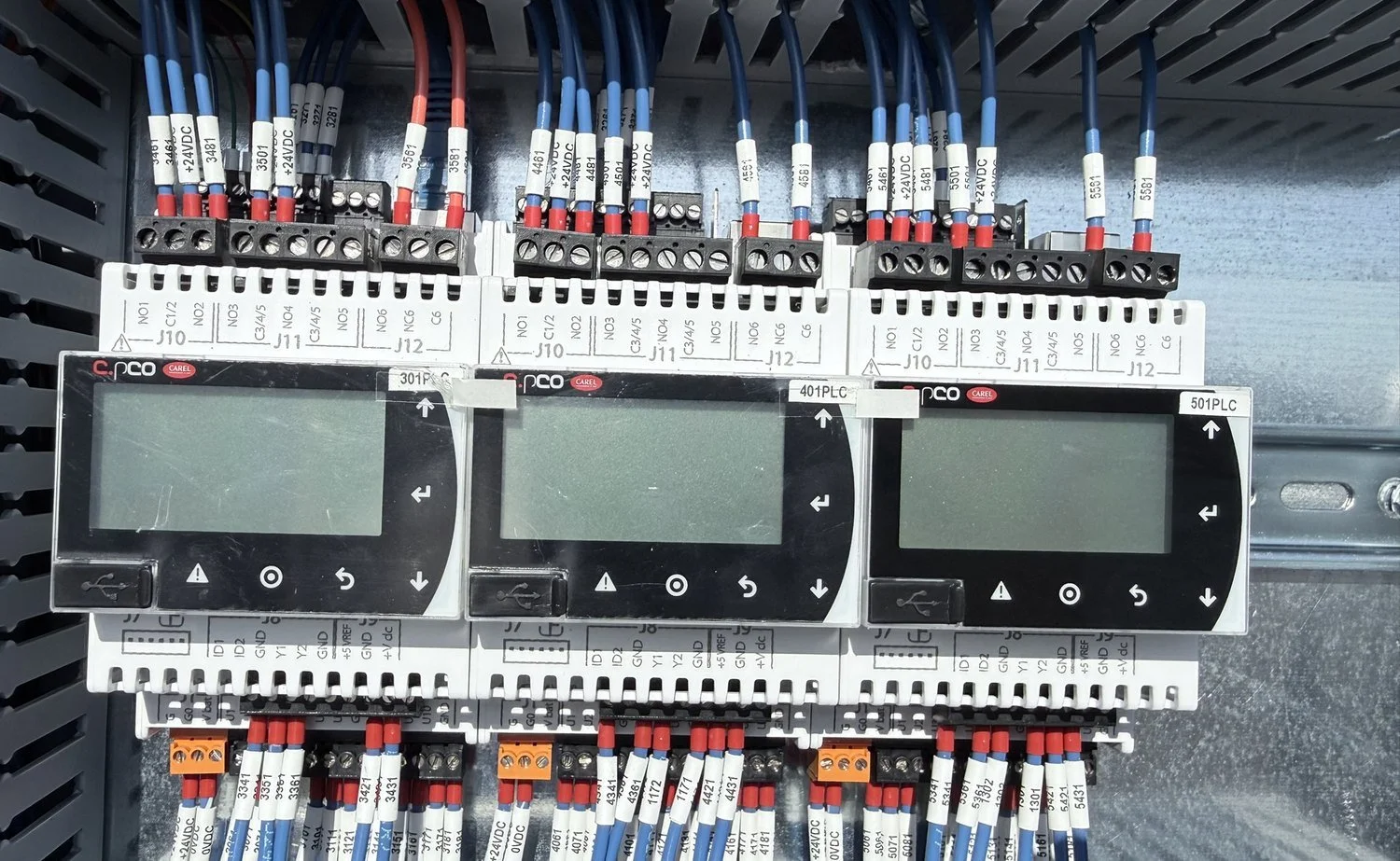
Find out which part would keep you down for weeks
Current customers: ask for the Spares Exposure Review. New to CCMS: the free Health Assessment checks your spares exposure first.
Request an HVAC Health Assessment
A senior technician reviews one critical HVAC asset. No cost for qualified facilities in the greater Bay Area.
Before scheduling: CCMS confirms site and equipment fit, then arranges customer/credit onboarding. This request does not book a visit or authorize paid work. Please do not include credit, financial, or patient records here.
